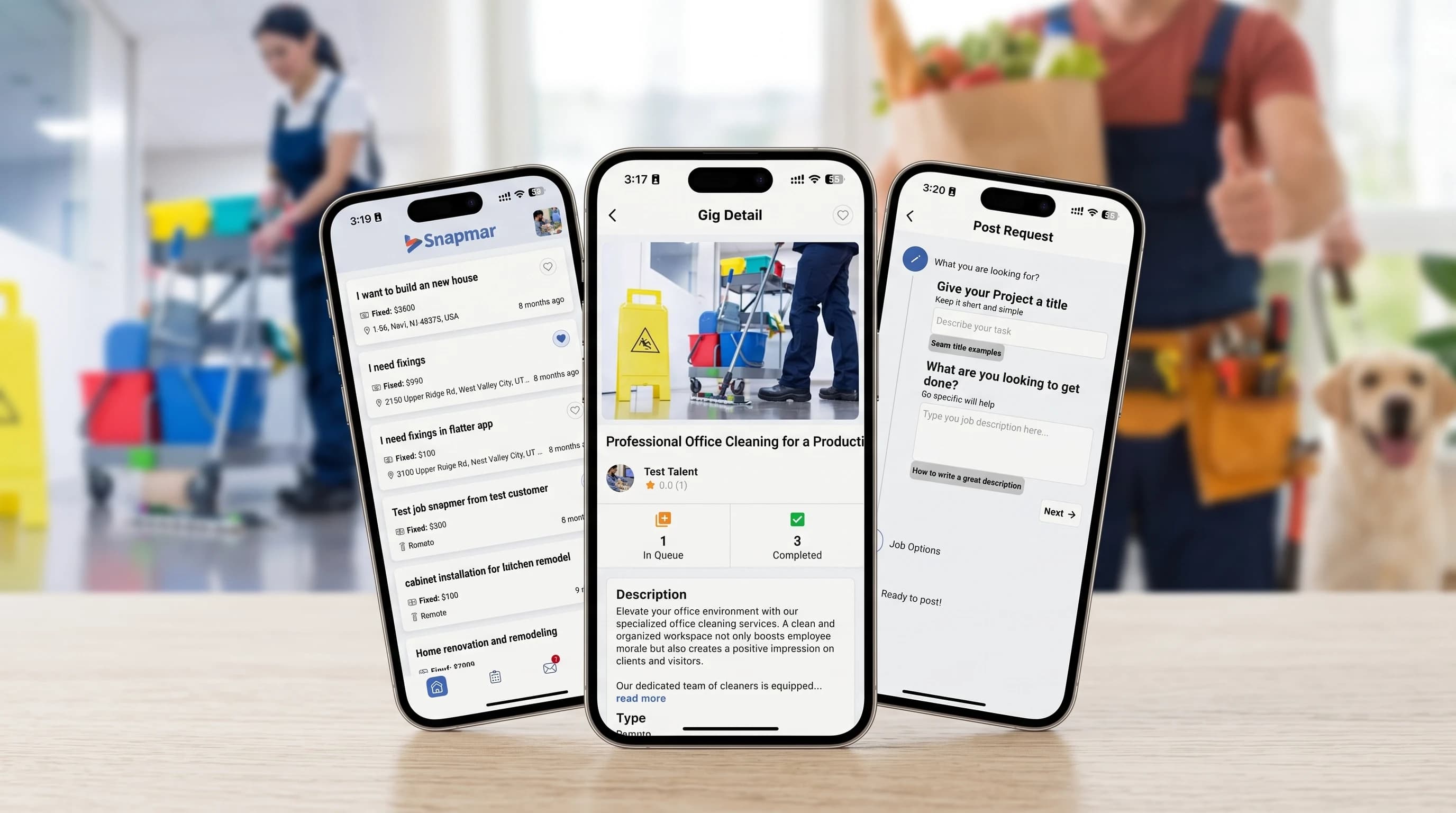
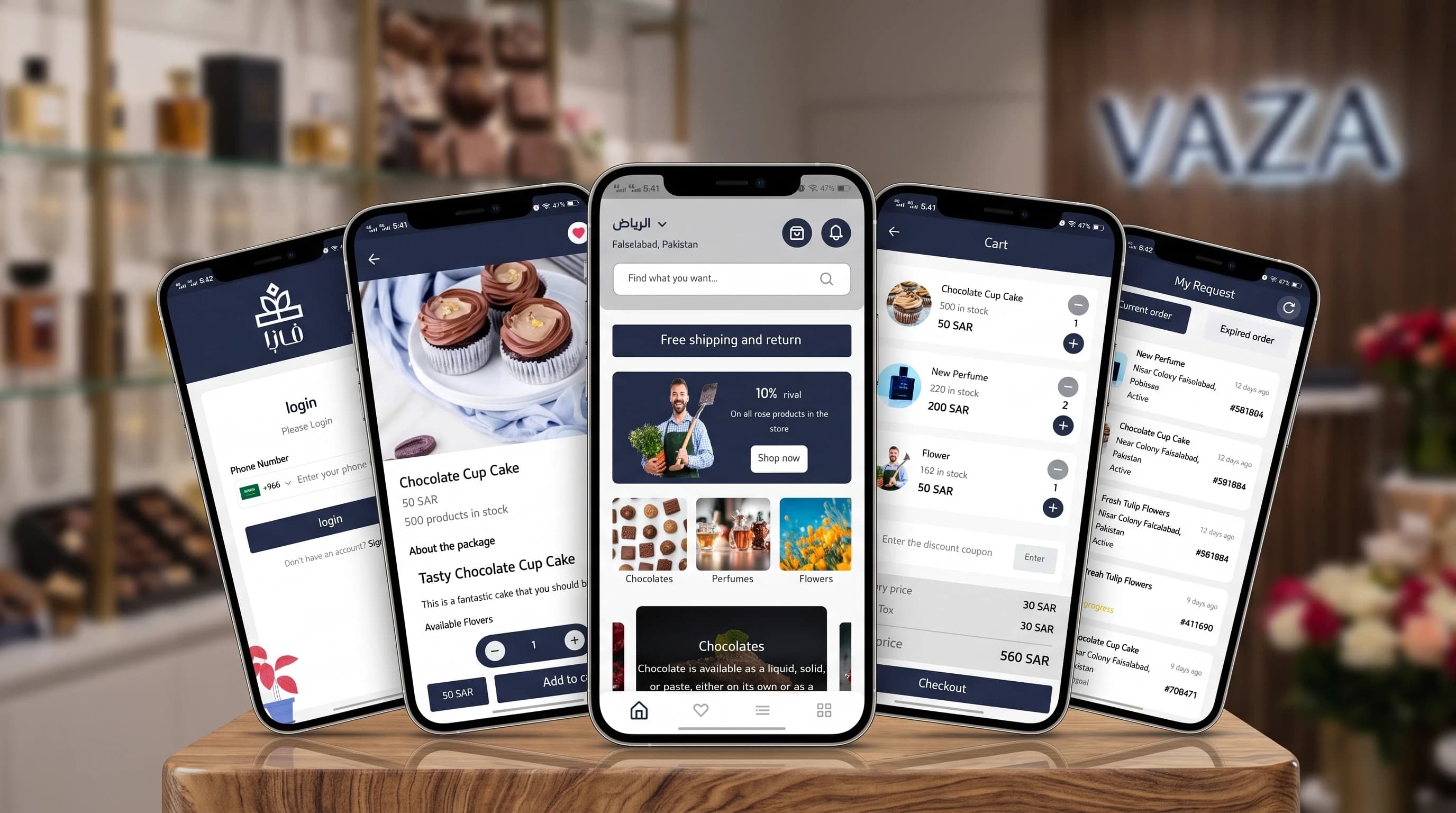
A delivery platform without restaurants is an empty app. And a restaurant owner already on Uber Eats and Grubhub has heard the pitch before — everyone claims to be cheaper. Saying “we cost less” is a sales assertion. Showing them, on their own numbers, what a specific order actually costs on each option is something else entirely.
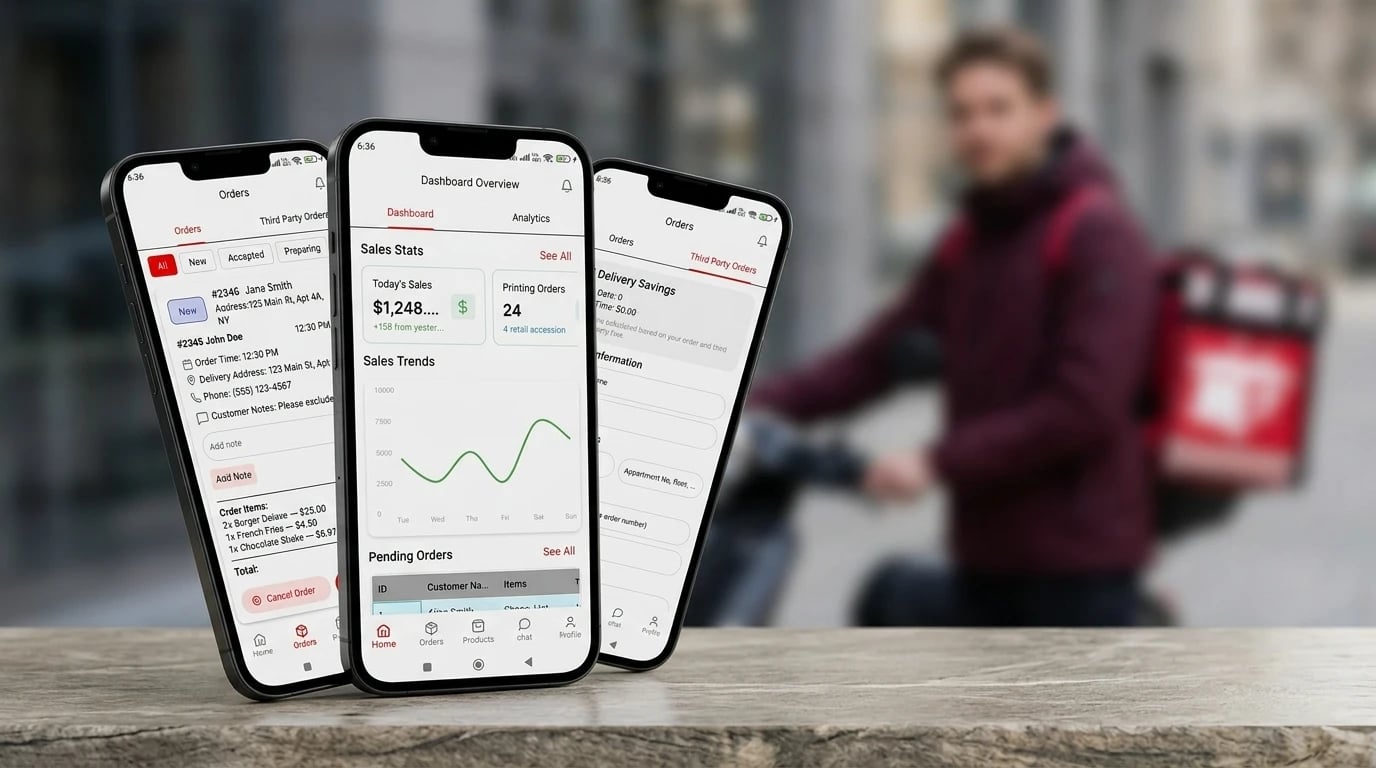
That turns a marketing problem into an engineering one, because the comparison is not as simple as one percentage against another. A restaurant can charge the customer a delivery fee. That fee offsets what the restaurant pays when it delivers the order itself — but it does not touch the commission a third-party platform charges, because the platform takes its cut of the order regardless. Get that one subtraction backwards and every number you show a prospective vendor is wrong, in your favour, in a way they will notice the first time they check.
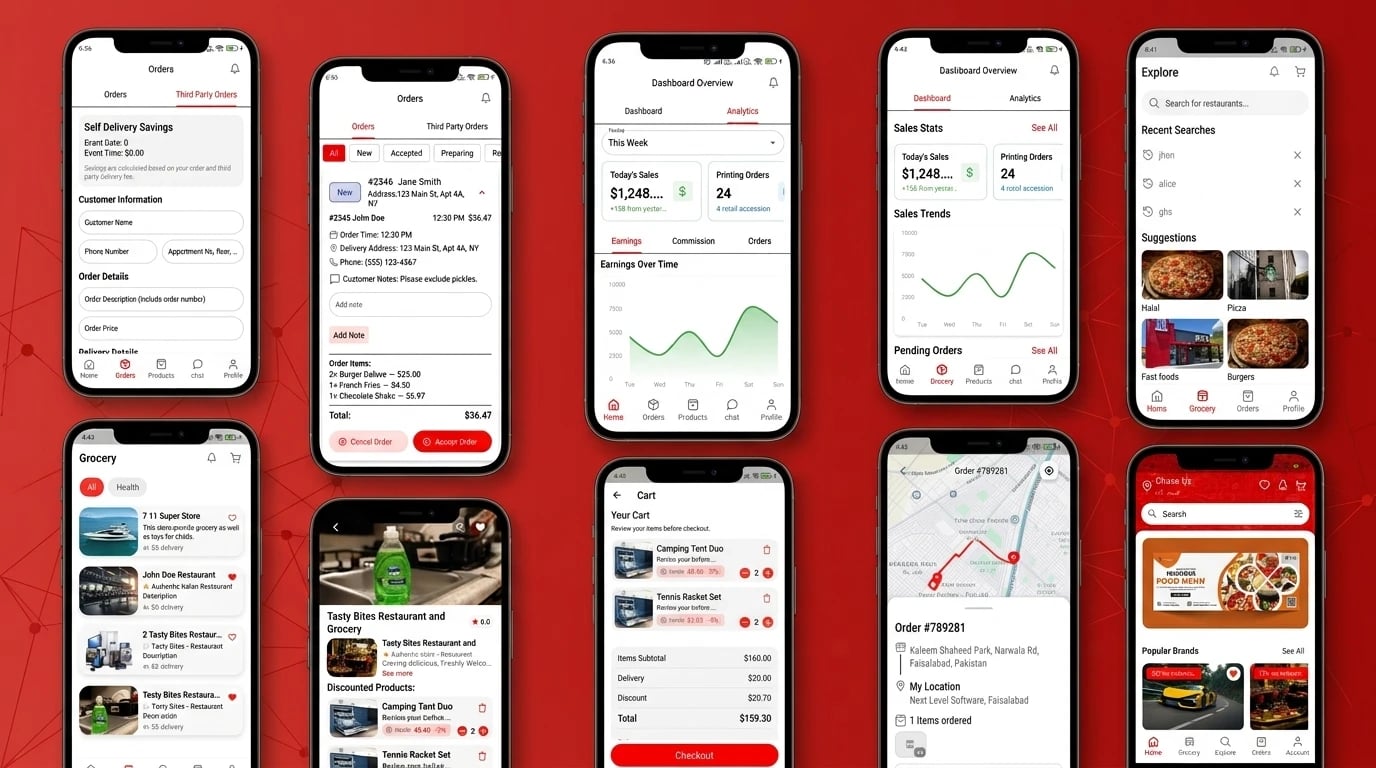
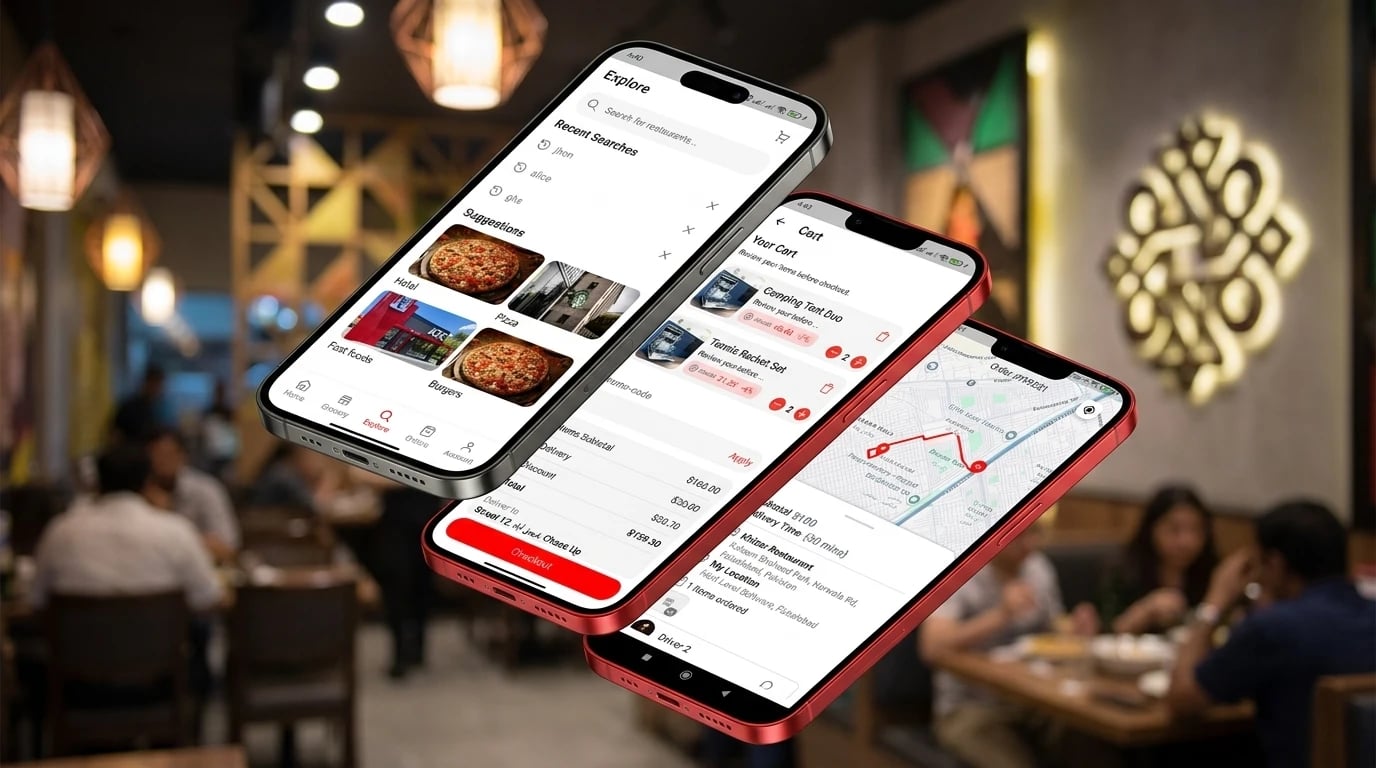
Underneath that sat the ordinary difficulty of the thing: six products, four roles, live rider positions, and orders that must never be assigned twice or dropped entirely.