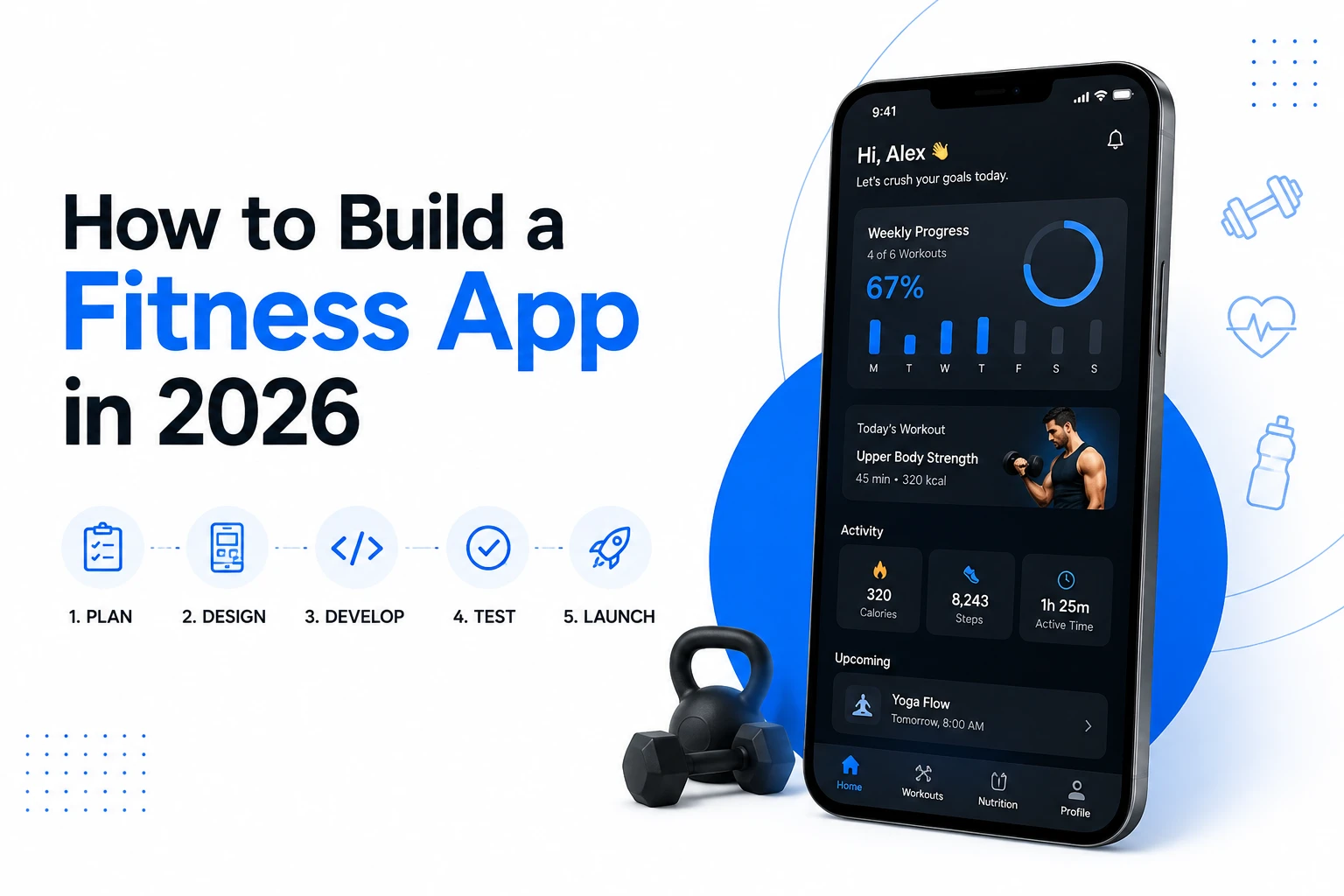
How to Build a Fitness App in 2026: What We Learned Shipping Them
A practical guide to planning, building, launching, and improving a fitness app, based on real products shipped by Next Level Software.
Sections
If you are planning to build a fitness app in 2026, the hardest decision is usually not which technology to use. It is deciding what the first version actually needs to do.
Fitness apps can become complicated very quickly. A single idea can turn into workouts, nutrition, bookings, memberships, subscriptions, wearable integrations, trainer dashboards, marketplaces, payments, community features, and AI.
We have seen this from both sides. FitFinds combines gym and academy subscriptions, class bookings, and a fitness marketplace with merchant and admin platforms. It reached the Kuwait market in 12 weeks, with three products running on one backend. Growth takes a different approach, combining AI body analysis, personalised training and nutrition, health-data integrations, trainer tools, and subscriptions.
The lesson from building products like these is simple: start with the user problem, then choose the features and architecture that support it.
What should a fitness app actually help someone do?
Before you think about screens, decide what the app is responsible for in a user's routine.
A fitness app might help someone follow a workout plan. A gym app might help members book classes and manage their membership. A coaching platform might connect trainers with clients. A fitness marketplace might help people discover gyms, classes, and products.
Those products can all be called fitness apps, but they are very different businesses.
This decision affects almost everything that follows, including your data model, user roles, payments, integrations, admin tools, and development cost.
A useful first question is: What is the one action you want users to keep coming back to?
If the answer is booking a class, build around booking. If it is completing a workout, build around the workout experience. If it is following an adaptive plan, make progress tracking and personalisation central to the product.
Choose the type of fitness app before choosing the feature list
There are several common fitness app models, and each has different development requirements.
Workout and training apps
These apps guide users through structured workouts. The core experience usually includes exercises, sets, reps, weights, rest periods, progress tracking, and workout history.
The challenge is making daily use easy. A workout can contain a lot of information, but the user should not have to fight the interface while exercising.
AI coaching and personal training apps
These products add personalisation to the workout experience. The app may use goals, logged workouts, body information, nutrition data, or other inputs to adjust recommendations.
This is where AI can add real value, but only when the underlying data and rules are reliable.
Growth is an example of this model. Its platform combines goal-based onboarding, calorie and macro targets, training schedules, meal planning, AI-powered camera body analysis, health-data integrations, and trainer tools.
Gym and studio apps
A gym app usually has a different centre of gravity. Members may need to view schedules, book classes, manage subscriptions, receive notifications, and access information about the gym.
The business side also matters. Staff may need dashboards for members, trainers, classes, payments, promotions, and reporting.
Fitness marketplaces
A marketplace connects users with gyms, academies, classes, trainers, or fitness products.
That means you are building more than a consumer app. You need systems for merchants or providers, listings, bookings, payments, availability, and administration.
FitFinds is a useful example because the product combines the member experience with merchant and admin products on the same backend.
Community and sports platforms
Some fitness products are built around social engagement, challenges, tournaments, clubs, or sports communities.
RRR Arena, for example, combines gym discovery and booking, tournament organisation, and partner payouts in one sports and fitness ecosystem.
The important point is that each model creates a different technical scope. Deciding the product type early helps prevent an unnecessarily large first release.
How to build a fitness app step by step
1. Define the first user and the first problem
Start with one clear user group.
It could be gym members, people training at home, personal-training clients, fitness coaches, gym owners, or customers looking for classes.
Then define the problem that matters most to that user.
For example, a fitness coaching app may focus on helping people follow a plan that changes as they progress. A gym platform may focus on making class discovery and booking easier.
Do not try to solve every fitness problem in the first version.
2. Decide what the MVP needs
Your first release should contain enough functionality for the core behaviour to work from beginning to end.
For a workout app, that might mean:
- Account creation and onboarding.
- Fitness goals.
- Workout plans.
- Exercise instructions.
- Workout logging.
- Progress history.
For a gym marketplace, the MVP could instead require:
- User accounts.
- Gym and class discovery.
- Class schedules.
- Bookings.
- Subscriptions or payments.
- Merchant management.
- Admin controls.
The correct MVP depends on the business model. There is no universal fitness app feature list.
If you need to validate the product before committing to a larger build, MVP development can help keep the first release focused.
3. Design the user experience around the workout
Fitness apps are often used while someone is moving, exercising, checking a schedule, or quickly recording something.
That changes the design requirements.
Important actions should be easy to find. Workout logging should not require unnecessary steps. Progress should be understandable without making users study charts.
The design should also account for different moments in the user's routine. A person choosing a workout at home has more attention than someone checking the next class while walking into a gym.
4. Plan the backend before adding advanced features
A fitness app may look like a collection of mobile screens, but the backend often carries the harder work.
You may need to manage users, workouts, exercises, progress, subscriptions, bookings, trainers, memberships, payments, notifications, health data, and permissions.
If the product has multiple user types, plan those roles early.
FitFinds is a good example of why this matters. The product has a member app, merchant dashboard, and admin panel, all operating from one shared backend.
That structure avoids treating each product as a separate system with disconnected records.
5. Add integrations based on actual user value
Fitness apps often benefit from connections to health and wearable platforms.
Apple Health and Google Fit can reduce manual entry by allowing relevant activity and workout data to flow into the application.
But an integration should solve a real problem.
If users need to manually enter the same information that their wearable already records, the product creates unnecessary work. If the app uses health data to improve the workout or progress experience, the integration becomes much more useful.
Growth uses Apple Health and Google Fit integration so workout data can flow into the product without relying entirely on manual entry.
6. Add payments and subscriptions around the business model
Many fitness products depend on recurring revenue.
That can mean a consumer subscription, a gym membership, a trainer subscription, paid classes, marketplace commissions, or several of these together.
Billing should be designed around the actual business model rather than added as a final screen.
You may need subscription tiers, payment history, cancellations, renewals, refunds, access rules, and different permissions for free and paid users.
For a marketplace, you may also need merchant payouts and payment splits.
7. Build the admin side at the same time
One common mistake is to think only about the customer-facing app.
Someone has to manage the content, users, trainers, memberships, bookings, payments, and reports.
A useful admin panel can make a large difference to how the business operates after launch.
Growth includes an admin panel for trainer approvals, subscription revenue, content management, and platform oversight. FitFinds also has merchant and admin products supporting the marketplace.
These tools are not secondary. They are part of the product.
Where AI fits into fitness app development in 2026
AI is now a realistic part of fitness product planning, but it should not be added simply because it is fashionable.
There are several areas where it can make sense.
Personalised workout plans
An AI-assisted system can use a user's goals, training history, preferences, and logged progress to generate or adjust recommendations.
The useful part is not the word AI. It is the ability to make the plan more relevant as the user provides new information.
Growth uses AI-assisted fitness coaching alongside trainer involvement, with workout and nutrition plans designed around the member's progress.
Nutrition recommendations
Nutrition can become more useful when it is connected to the user's goals and training plan instead of being a separate calorie counter.
A system can help generate meal suggestions, track intake, or adapt recommendations based on the information users provide.
However, the quality of these recommendations depends on the data, rules, and product boundaries around the AI.
AI body analysis
Camera-based analysis can reduce some manual measurement work and give users another way to track changes.
Growth uses camera-based AI body measurement analysis as part of its fitness workflow.
This type of feature requires more careful technical planning than a simple chatbot because the product is interpreting visual information and presenting it as a fitness metric.
Retention and operational AI
AI does not have to face the user.
It can also help the business identify patterns in member behaviour, flag users who may need attention, or support personalised communication.
The important point is to connect AI to a real operational decision. A dashboard full of AI-generated scores is not useful if nobody knows what action to take.
AI should not replace every fitness decision
There are situations where normal application rules are better than AI.
If a membership expires after a fixed period, use a rule. If a class has a capacity of 20 people, enforce the capacity directly. If a user has paid for a specific subscription tier, use deterministic access rules.
AI is better suited to areas involving language, recommendations, patterns, personalisation, or unstructured information.
For health and fitness products, this distinction also matters because users may treat an app's recommendations seriously. The system should be clear about what is automated and where professional guidance is required.
What fitness app development costs in 2026
There is no single fitness app development cost because the range of possible products is too wide.
A simple workout tracker and a multi-sided fitness marketplace with subscriptions, bookings, payments, merchant tools, and AI are very different projects.
Current published 2026 estimates commonly place basic fitness apps in the tens of thousands of dollars, with more feature-rich products moving into six-figure budgets. One current industry guide estimates approximately $40,000 to $100,000 for a basic fitness app, $100,000 to $250,000 for a mid-level product, and $250,000 to $400,000+ for advanced or enterprise-grade platforms. These are market estimates, not a quote for a particular project.
The more useful way to budget is to separate the major cost drivers.
Product scope
The number of user roles, screens, workflows, and business rules has a direct effect on the amount of development work.
Platform coverage
Building for iOS, Android, and web dashboards creates a larger scope than building one focused application.
Cross-platform development can help when the same core experience needs to reach both mobile platforms, but the product still needs testing across devices and operating systems.
Integrations
Health platforms, wearables, payment providers, calendars, analytics, notifications, and other external systems add both development and testing work.
AI
AI can add anything from a relatively small model integration to a much larger system involving data processing, retrieval, evaluation, computer vision, personalised recommendations, and ongoing monitoring.
The cost depends on what the AI actually needs to do.
Backend and admin tools
A product with trainers, merchants, gyms, administrators, and customers needs more than a consumer mobile interface.
Every additional role usually creates its own workflows and permissions.
Compliance and data handling
Fitness apps can handle personal and health-related information. The more sensitive the data becomes, the more attention the product needs around permissions, storage, security, privacy, and platform requirements.
How to keep fitness app development cost under control
The best way to reduce unnecessary cost is to reduce unnecessary scope.
That does not mean building a poor product. It means deciding what needs to exist at launch.
A practical first release might focus on:
- One clearly defined user type.
- One main fitness workflow.
- One payment model.
- One or two essential integrations.
- A simple admin experience.
Then measure what users actually use.
If people consistently complete workouts but ignore a community feed, the next investment may belong in training and retention rather than social features.
If users repeatedly ask for wearable sync, that gives you evidence for the next integration.
This is a better way to grow a fitness app than adding every feature competitors have.
What we learned from FitFinds
FitFinds is useful because it shows how much can sit behind a seemingly simple fitness marketplace.
The product combines gym and academy subscriptions, class bookings, and a fitness marketplace. It also includes a merchant dashboard and an admin panel.
The project reached the Kuwait market in 12 weeks, with three products running on one backend.
The lesson is not that every fitness app should launch in 12 weeks. The project had a defined scope and a specific product structure.
The useful lesson is that multiple interfaces do not necessarily need multiple disconnected backends. When the data and workflows are designed together, the member, merchant, and admin experiences can operate around the same underlying records.
For a fitness marketplace, that matters. A class booking, membership, merchant listing, payment, and admin action can all be part of one system.
What we learned from Growth
Growth shows a different side of fitness app development.
The product combines AI fitness coaching with a real trainer ecosystem. Members get personalised training and nutrition experiences, while trainers manage clients and plans through their own tools.
The platform includes AI body analysis, health-data integrations, subscriptions, workout tracking, meal planning, trainer tools, and an admin panel.
The lesson here is that AI does not have to remove the human coach.
It can handle parts of personalisation and tracking while giving trainers a better system for managing their clients.
This can be a better product model than trying to make the AI responsible for every decision.
Retention starts with the daily experience
A fitness app can have an impressive feature list and still lose users.
Retention usually depends on whether the product continues to be useful after the first few sessions.
That means the app needs to make progress visible and daily actions easy.
Useful retention features can include:
- Progress tracking.
- Adaptive workout plans.
- Reminders that users can control.
- Clear goals.
- Workout history.
- Personalised recommendations.
- Trainer or community support where appropriate.
AI can support this, but it is not a substitute for a good product experience.
A personalised plan that is difficult to follow is still a poor experience. A simple plan that users actually complete can be more valuable.
Wearables are useful when they remove work
Fitness users already collect data through watches, phones, and other devices.
The value of integration is reducing duplicate effort and giving the app better information.
For example, if the application can receive relevant workout or activity information from Apple Health or Google Fit, users do not have to manually enter every piece of data.
But wearable integration also creates engineering work. Different devices can expose different data, permissions can change, and syncing needs to be reliable.
Build the integration because it improves the core product, not simply because another fitness app has one.
Build the business model into the product early
A fitness app that plans to make money through subscriptions should design the subscription experience before launch.
Think about what a free user can access, what a paid user receives, what happens when a subscription expires, and how upgrades and cancellations work.
If trainers are part of the product, you may need separate plans for self-serve users and coached users.
Growth uses subscription tiers that separate self-serve and coached experiences.
If you are building a marketplace, the business model may be different again. You may need merchant subscriptions, commissions, booking fees, product sales, or several revenue streams.
Testing a fitness app means testing real routines
Fitness apps should not be tested only by clicking through screens.
Test the situations users actually encounter.
- A user loses their internet connection during a workout.
- A wearable stops syncing.
- A user changes their goal.
- A subscription expires.
- A class reaches capacity.
- A user books and then cancels.
- A trainer changes a plan after a member has already started it.
- An AI recommendation receives incomplete information.
- A user records several workouts offline and reconnects later.
These cases affect trust much more than whether the main screens look correct.
One NLS fitness product specification, for example, treats offline tolerance, crash-free sessions, scalability, AI cost control, store compliance, and maintainability as explicit quality requirements rather than leaving them until after launch.
Privacy and health data need attention from the beginning
Fitness apps can collect information that users consider personal.
That can include body measurements, health information, activity history, workout performance, nutrition data, and payment information.
The application should therefore make clear what information it collects, why it needs it, and how access is controlled.
If the product uses health integrations, build permissions and data handling into the architecture rather than treating them as final launch tasks.
This is also one reason fitness app development can become more expensive as the product moves from a simple workout tracker to an AI-enabled health and fitness platform.
Choose technology based on the product, not the trend
There is no single technology stack that is right for every fitness app.
For a mobile product that needs to run on iOS and Android, cross-platform development can be a practical option. FitFinds and Growth both use cross-platform approaches in their production products.
The backend should be selected based on the product's data, integrations, performance, and scaling requirements.
The same principle applies to AI. Use an existing model when it solves the problem well. Use more specialised machine learning when the product has a clear reason to need it.
The technology should support the product decisions. It should not determine the product before those decisions have been made.
When you should build a fitness MVP first
If you are unsure which features users will actually use, an MVP is usually the safer starting point.
You can launch the smallest version that supports the main behaviour, collect real feedback, and then decide what deserves more investment.
For example, an AI coaching MVP could start with onboarding, a basic personalised plan, workout logging, and progress tracking. You could add body analysis, nutrition recommendations, wearable integrations, and trainer tools after the core experience proves useful.
A marketplace could start with gym discovery, class booking, and one payment method before adding a full e-commerce layer.
This approach also makes the gym app development 2026 budget easier to control because you are funding known product requirements rather than assumptions about future demand.
When a fitness app needs custom software
Off-the-shelf gym software can be enough for a business that only needs basic membership and booking functionality.
Custom development becomes more useful when the product itself is the business.
You may need custom software when you are building a marketplace, combining multiple user roles, creating a unique coaching model, integrating AI deeply into the product, or connecting several operational systems.
Custom software development can provide more control when the workflows are specific to the business.
For AI-heavy products, AI-assisted application development is relevant when the AI needs to operate inside the product rather than as a separate chatbot.
For more advanced predictive or machine-learning systems, AI and machine learning development may be a better fit.
Common mistakes when building a fitness app
Trying to copy every major fitness app
Competitor research is useful. Copying every feature is not.
Each feature creates design, development, testing, data, and maintenance work. More importantly, it can make the product harder to understand.
Adding AI before defining the product
AI cannot fix an unclear product idea.
Define the user problem first. Then decide whether AI improves the solution.
Ignoring the admin experience
If staff cannot manage the product efficiently, users will eventually feel the effects.
Admin and trainer tools should be part of the product architecture from the beginning when the business depends on them.
Underestimating integrations
Wearables, health platforms, payments, notifications, and other external services all need testing and maintenance.
Plan them as real engineering work.
Measuring downloads instead of behaviour
Downloads tell you that someone installed the app.
They do not tell you whether people complete workouts, book classes, renew subscriptions, or return after the first week.
Choose product metrics that reflect the behaviour your business depends on.
Frequently asked questions
How much does it cost to build a fitness app in 2026?
The cost depends on the product scope. Published 2026 industry estimates put basic fitness apps around $40,000 to $100,000, mid-level products around $100,000 to $250,000, and advanced platforms around $250,000 to $400,000 or more. These are broad market estimates, not a fixed project price.
How long does it take to build a fitness app?
The timeline depends on the number of platforms, features, integrations, AI requirements, and testing needed. A focused MVP can be much faster than a multi-product platform. As a real NLS example, FitFinds reached the Kuwait market in 12 weeks with three products on one backend, but that timeline should not be treated as a standard estimate for every fitness product.
What features should a fitness app have?
Start with the features required for the main user behaviour. Workout apps may need plans and progress tracking. Gym apps may need memberships and class bookings. Marketplaces may need listings, bookings, payments, and merchant tools. AI and wearable features should be added when they support the core product.
Is AI worth adding to a fitness app?
AI can be useful for personalised workout and nutrition plans, body analysis, recommendations, and other areas where the product needs to interpret data or adapt to a user. It is not automatically useful for fixed rules such as subscription access, class capacity, or payment status.
Should I build an MVP before a full fitness app?
If you are still validating the business model or user behaviour, an MVP can reduce the risk of building features that users do not need. Start with the smallest complete workflow, measure usage, and use those results to decide what to build next.
Do fitness apps need wearable integrations?
Not every fitness app needs them. Wearable integrations are valuable when they remove manual data entry or improve the product's recommendations and tracking. They also add integration and testing work, so they should support a clear product need.
What we would prioritise in a 2026 fitness app
If we were starting a new fitness product today, we would begin with the core habit the product needs to create.
Then we would build the smallest version that supports that habit reliably.
After that, the next investments should come from evidence. If users need better personalisation, add AI where it improves the plan. If manual tracking is a problem, consider health and wearable integrations. If the business needs multiple providers, build the marketplace and merchant workflows. If trainers are central to the value proposition, give them the tools they need to manage clients.
The strongest fitness apps are not necessarily the ones with the longest feature lists. They are the ones where the important parts work together and users have a clear reason to return.
That is the main lesson we take from shipping products such as FitFinds and Growth. The technology matters, but the product decisions made before and during development matter just as much.
Keep reading
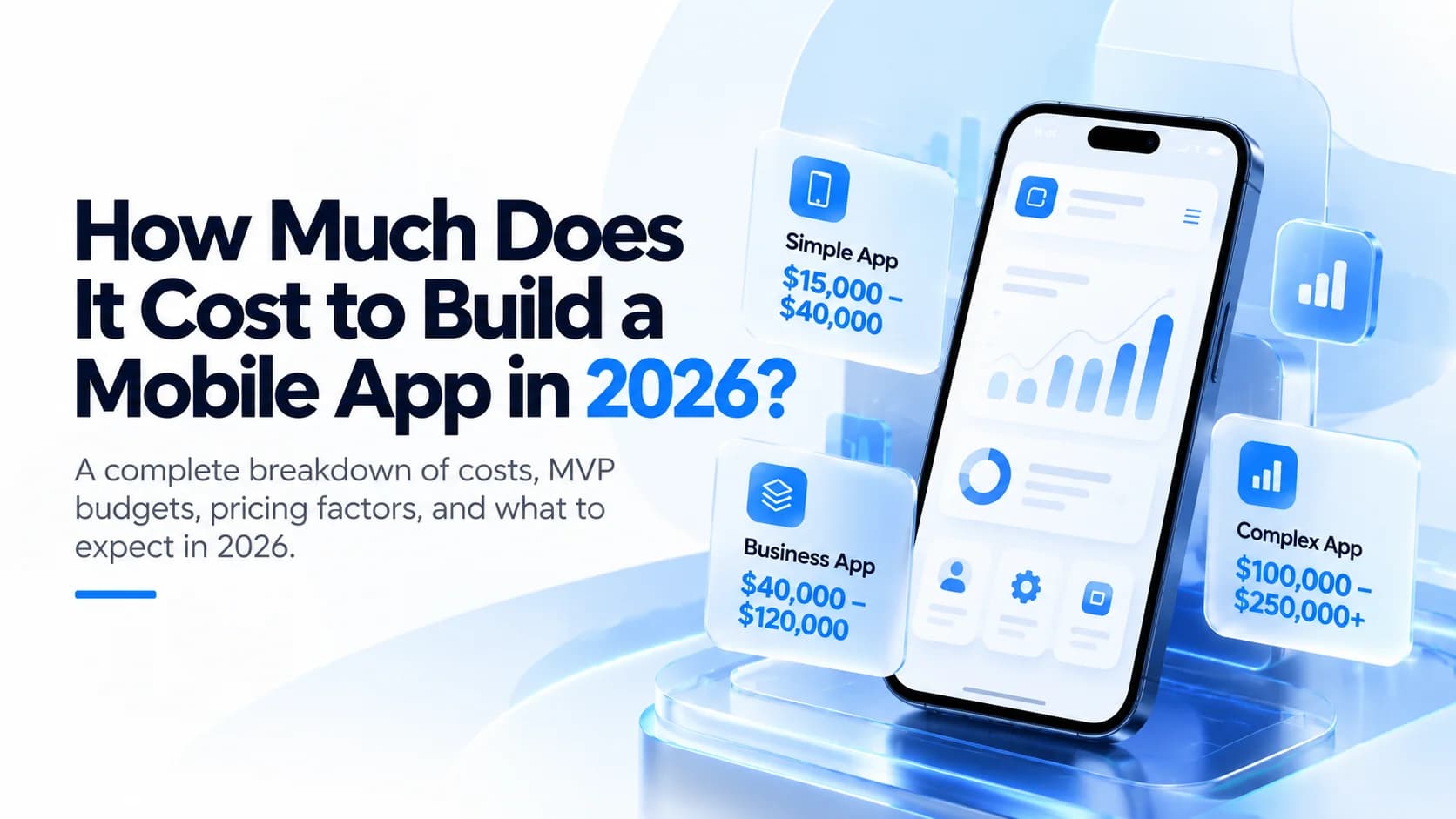
How Much Does It Cost to Build a Mobile App in 2026?
How much does a mobile app cost in 2026? Explore realistic development price ranges, MVP costs, major pricing factors, hidden expenses, and ways to budget smarter.
Khubaib Rasheed · · 17 min read

Old Is Gold: Why Custom Mobile Apps Still Matter in the AI Era
AI can add real value, but it can also add data, vendor, security, and compliance complexity. Here is why some custom mobile apps are better without it.
Khubaib Rasheed · · 17 min read
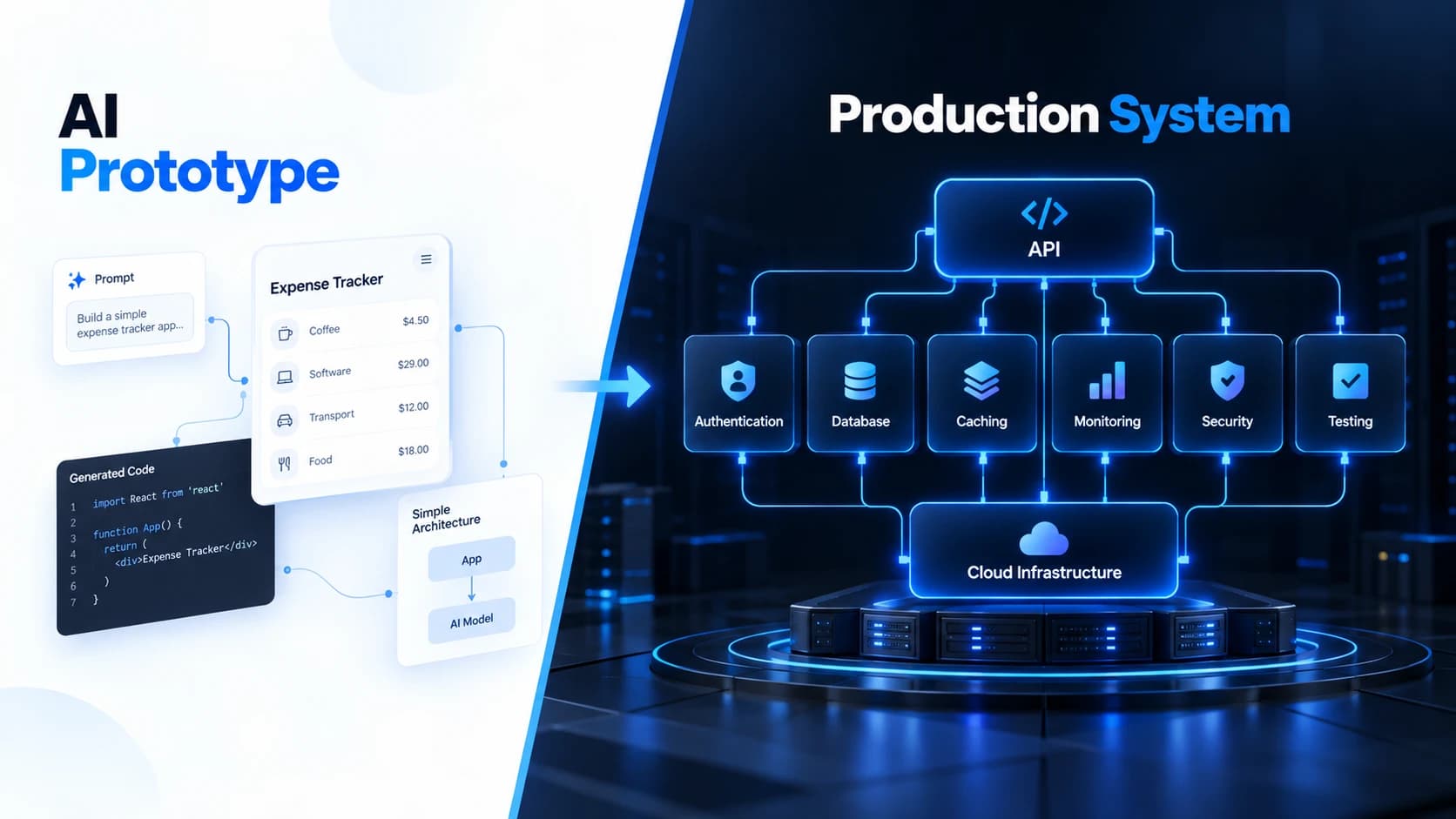
How to Turn an AI-Generated App Into Secure, Scalable, Production-Ready Software
AI can generate a working app fast. Learn what architecture, security, scalability, testing, and operations are needed before that prototype becomes production software.
Abdullah · · 18 min read