How Much Does It Cost to Build a Mobile App in 2026?
A practical breakdown of mobile app development prices, MVP budgets, iOS and Android costs, hidden expenses, and how businesses can plan their 2026 app budget.
Sections
Building a mobile app in 2026 can cost anywhere from a few thousand dollars for a tightly scoped product to hundreds of thousands for a complex business platform. That is a frustratingly wide range when you are trying to turn an app idea into a realistic budget. The difference comes down to what you are building, which platforms you need, how your app handles data, and how much work happens behind the screens.
For startup founders and business owners, the real question is not just how much it costs to build an app. It is how much you should budget for the first version, what you are paying for, and which expenses are likely to continue after launch.
This guide breaks down mobile app development costs in 2026, including MVP budgets, native versus cross-platform development, common business app types, ongoing expenses, and the decisions that can help you avoid paying for unnecessary features.
How Much Does It Cost to Build a Mobile App in 2026?
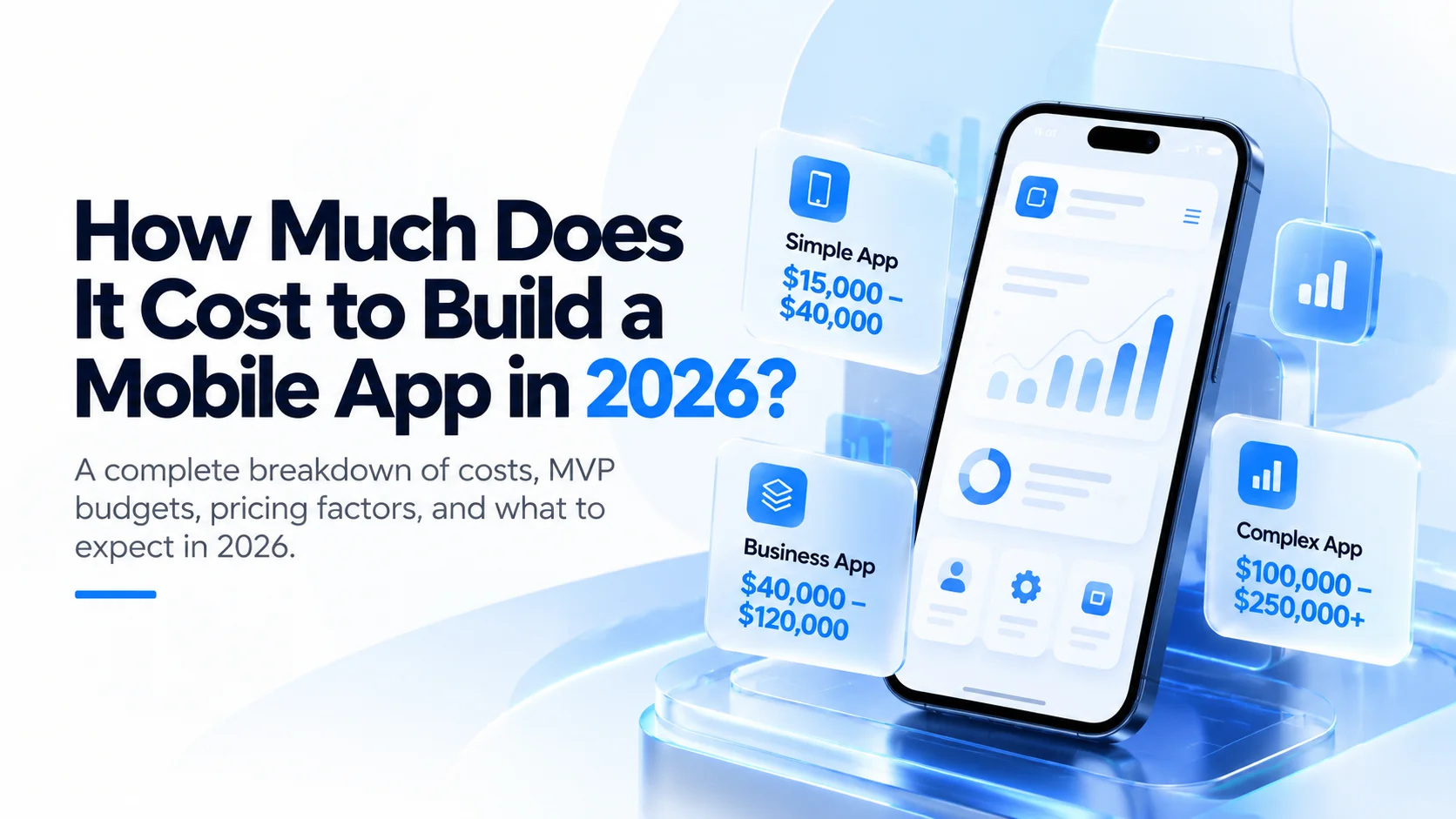
According to Clutch's September 2026 mobile app pricing research, most app development projects reviewed on its platform fall between $10,000 and $49,999, while commonly listed development company rates are $25 to $49 per hour. Other 2026 industry pricing guides place basic applications around $15,000 to $40,000, mid-level products around $40,000 to $120,000, and advanced applications above $100,000. These figures describe different samples and project scopes, so they should not be treated as one universal pricing standard.
The following ranges are useful starting points for planning a custom mobile application. They are broad market estimates rather than guaranteed development quotes.
App ComplexityEstimated Development CostTypical ScopeSimple App or Focused MVP$15,000–$40,000Basic screens, straightforward user flows, limited integrationsMedium Business App$40,000–$120,000User accounts, payments, APIs, custom backend, admin toolsAdvanced Mobile Platform$100,000–$250,000+Real-time features, multiple user roles, integrations, advanced business logicEnterprise Application$250,000–$500,000+Complex infrastructure, compliance requirements, enterprise integrations
Smaller projects can cost less than these broad benchmarks. For example, Next Level Software currently publishes a starting mobile app development price of $6,000 for qualifying scopes. That is a starting point, not an average price or a promise that a complex application can be delivered for the same amount.
The main takeaway is that an app with five informational screens should not be priced like a booking marketplace with payments, live availability, several user roles, and a custom administration system.
What Determines the Cost of Mobile App Development?
Two mobile apps may look similar to users but require very different amounts of engineering. Understanding the factors below helps you evaluate a proposal beyond its headline price.
1. Features and Functional Complexity
The largest cost driver is usually what the app needs to accomplish. A simple profile page might involve displaying and updating information. A booking feature must handle availability, conflicting requests, cancellations, notifications, and possibly payments. Each business rule adds implementation and testing work.
Features such as real-time messaging, live GPS tracking, subscription billing, multi-vendor payouts, offline synchronization, AI recommendations, and complex reporting usually require more engineering than static content or basic forms.
When planning your first release, separate essential workflows from optional enhancements. A feature should justify its cost by helping the product solve a meaningful user or business problem.
2. iOS, Android, or Both Platforms
The number of supported platforms affects development and testing costs. A native iOS application and a native Android application generally require platform-specific implementation. Cross-platform frameworks can share substantial portions of code while still producing applications for both operating systems.
For many business applications, Flutter or React Native can be practical choices. They can reduce duplicated implementation work, although platform-specific features, testing, and maintenance still need attention.
Businesses should choose their platform strategy based on their audience, hardware needs, performance requirements, and long-term product plans rather than assuming one technology is always cheaper.
3. UI and UX Design
Design costs depend on how many unique screens and interactions an application needs, how much research is required, and whether a custom visual experience is important to the business.
A straightforward internal employee application may benefit from simple, consistent interfaces. A consumer-facing marketplace may need more research into discovery, onboarding, checkout, accessibility, and retention.
Good design is not simply about appearance. Clear user journeys reduce confusion, avoid unnecessary development changes, and help customers complete important actions.
4. Backend Development and Business Logic
Many mobile apps require a server-side system that handles user accounts, databases, permissions, payments, order processing, notifications, and other business operations. The complexity of that backend can exceed the work required to build the mobile interface itself.
For example, a fitness booking application may need live availability, recurring memberships, staff permissions, check-ins, payment records, and an operator dashboard. These components must remain consistent even when several users are taking actions at the same time.
This is why estimating an app solely by counting its screens can be misleading.
5. Third-Party Integrations
Connecting an application to existing services can reduce the need to build everything from scratch. However, every integration introduces configuration, API handling, testing, error management, and potential ongoing fees.
Payment gateways, CRM platforms, accounting systems, maps, messaging providers, point-of-sale systems, and identity verification services can all affect the budget. Integration work becomes more involved when an external provider has limited documentation, unreliable APIs, or strict compliance requirements.
6. Security, Testing, and Compliance
Security and quality assurance should be part of the development estimate rather than optional expenses added at the end. Applications that process personal information, location data, payments, or sensitive business records require appropriate safeguards.
Testing must cover more than the expected user journey. Teams should check failed payments, interrupted connections, incorrect permissions, duplicate requests, device differences, and other situations that occur during normal use.
Industry-specific rules can add additional requirements. For example, a healthcare product handling protected patient information may need substantially different controls than a public event discovery application. Applicable compliance requirements should be assessed for the actual business and jurisdiction.
Mobile App Development Cost by App Type
The following examples show why different business models require different development budgets. They are illustrative scoping categories rather than fixed prices for a particular industry.
App TypeTypical RequirementsCost ComplexityBusiness Information AppContent, forms, basic profiles, notificationsLow to mediumAppointment Booking AppAvailability, scheduling, cancellations, paymentsMediumE-commerce AppCatalog, checkout, promotions, inventory, order managementMedium to highFitness or Membership AppMemberships, class booking, subscriptions, trainer toolsMedium to highMarketplace AppBuyers, sellers, administration, commissions, payoutsHighDelivery or Ride-Hailing AppDriver workflows, tracking, dispatch, payments, operationsHighAI-Powered Mobile AppModel APIs, data access, guardrails, monitoring, usage limitsHighly scope-dependent
A marketplace is a useful example of how complexity grows. What customers see as one application may actually include a buyer-facing app, merchant dashboard, administration system, backend APIs, and several payment workflows.
In Next Level Software's FitFinds case study, the product includes customer, merchant, and administration experiences connected through one backend. This illustrates why multi-role applications should be estimated as connected software systems rather than a collection of mobile screens.
How Much Does an MVP Mobile App Cost?
A minimum viable product, or MVP, is a focused first version designed to test important assumptions about a product. It should help users complete the core workflow without requiring every feature that might be included in the long-term roadmap.
For planning purposes, a small professionally developed MVP might fall around $15,000 to $40,000 in broader industry benchmarks. Smaller, tightly defined projects may be possible below that range, while MVPs with payments, multiple user roles, or complicated integrations can cost considerably more.
Consider a founder planning a mobile booking platform. A focused first release might include customer registration, service discovery, appointment selection, booking confirmation, and a simple administrative interface. Loyalty rewards, advanced analytics, referral programs, and marketing automation could be considered after the core booking workflow has been validated.
The goal is not to build software that must be discarded later. It is to prioritize what needs to be learned while making sensible architecture decisions for future expansion. Our MVP development services focus on helping founders define and build that first useful version.
Native vs. Cross-Platform Development: Which Costs Less?
When deciding how to build a mobile app, businesses often compare native development with cross-platform technologies such as Flutter and React Native. Each approach can make sense depending on product requirements.
Native Mobile App Development
Native development uses platform-specific tools and frameworks, such as Swift for iOS and Kotlin for Android. It can be a strong option when deep operating-system integration, specialized hardware capabilities, or particular performance requirements make native implementation valuable.
If a company needs separate native applications for iOS and Android, it should budget for more platform-specific implementation and ongoing maintenance than a comparable project sharing much of its code.
Cross-Platform Mobile App Development
Cross-platform development allows substantial code reuse between supported operating systems. This can make it attractive for booking platforms, membership applications, marketplaces, and many other business products.
However, cross-platform development does not eliminate operating-system-specific testing, store submissions, device compatibility work, or maintenance. It should be treated as an engineering strategy, not a guarantee of a specific percentage saving.
Next Level Software supports both native and cross-platform mobile app development. The right choice depends on the desired experience, technical requirements, expected scale, and available budget.
What Does a Mobile App Development Budget Actually Include?
Before comparing proposals, understand which activities are included in the estimate. A lower number is not necessarily a better deal if important phases are missing.
Development PhaseWhat HappensDiscovery and PlanningRequirements, user journeys, scope, product decisionsUI/UX DesignWireframes, interfaces, interactions, design systemMobile DevelopmentApp screens, user flows, device capabilitiesBackend DevelopmentAPIs, databases, authentication, business logicIntegrationsPayments, messaging, maps, external platformsQA and TestingFunctional checks, compatibility, regression, defect fixingDeploymentBuild preparation, configuration, store submissionsLaunch SupportMonitoring, bug fixes, operational stabilization
A professional estimate should make these responsibilities clear. It should also explain whether project management, source-code handover, documentation, analytics, and post-launch support are included.
Example: How a $30,000 MVP Budget Could Be Allocated
The following is an illustrative planning example for a defined $30,000 project. It is not a verified industry-average allocation or an NLS quotation.
ActivityIllustrative AllocationDiscovery and Requirements$3,000UI/UX Design$4,500Mobile App Development$10,500Backend and Integrations$7,500QA, Deployment, and Launch$4,500Total$30,000
Actual budgets should be based on estimated engineering effort, not a predetermined percentage assigned to every phase. A product with a complicated backend and simple interface may allocate money very differently from a design-heavy consumer application.
How Much Does It Cost to Add AI to a Mobile App?
AI features can make mobile applications more useful, but their development costs depend on what the system must actually do. A simple AI-powered text feature is different from an assistant that accesses private user information, updates business records, or makes recommendations based on custom rules.
Beyond the model API, production AI features may need data pipelines, access permissions, evaluation, caching, fallback behavior, usage quotas, monitoring, and additional testing. The application also continues to need its normal backend, design, and security work.
Next Level Software's ALIFF case study demonstrates some of these considerations through an AI styling application that includes recommendation features, a separate modesty-rule layer, caching, streaming, and quota management.
Businesses considering AI should estimate both the initial integration and the ongoing cost of running the feature. A useful starting question is whether AI solves a problem that conventional application logic cannot address as effectively.
For a more detailed explanation, read What AI Features Really Add to Your App Development Cost in 2026.
Hidden and Ongoing Mobile App Costs After Launch
The initial development invoice is not the entire cost of owning a mobile application. Once users begin using the product, the business may need hosting, ongoing maintenance, customer support tools, analytics, security updates, and improvements to the product.
App Store Registration Fees
Apple's standard Developer Program costs $99 per membership year in the United States, with local pricing variations in some regions. Google Play Console currently has a one-time $25 registration fee. These are developer account registration costs, not the full expense of publishing, maintaining, or selling through an app.
Store policies, revenue-related service fees, account verification, and distribution requirements may also apply depending on the application and business model. Founders should check the current official rules before launch.
Cloud Hosting and Backend Infrastructure
Applications with a backend may require cloud servers, databases, file storage, background processing, logging, monitoring, and backups. Costs depend on usage, architecture, geographic deployment, and third-party providers.
A small application can have relatively modest infrastructure needs. A platform with large amounts of media, heavy traffic, real-time features, or resource-intensive AI capabilities may cost significantly more to operate.
Maintenance and Updates
Mobile applications need ongoing attention as operating systems, dependencies, external APIs, and app-store requirements change. Maintenance can also include security updates, bug fixes, compatibility improvements, and monitoring.
Some industry budgeting guides suggest using approximately 15% to 25% of initial development cost per year as an early maintenance planning allowance. That is a rough heuristic rather than a universal rule. A lightly used internal app and a high-traffic customer marketplace will have different requirements.
Third-Party Services and Transaction Costs
Payment processing, SMS verification, email delivery, maps, analytics services, and AI model usage may introduce recurring or usage-based charges. Payment and app marketplace fees also vary by transaction type, region, and applicable platform rules.
These expenses should be listed separately from one-time development work so that the business understands its ongoing operating commitments.
How to Calculate Your Mobile App Development Budget
You do not need a perfect technical specification before speaking with a development partner. However, a few clear decisions can help turn a vague app idea into an estimate.
Step 1: Define the Main Business Problem
Write down what problem your application solves and who will use it. For example, a salon might need customers to book appointments without calling, while a gym might want to manage memberships and class attendance in one system.
Step 2: Identify User Roles
List who needs access to the software. A customer, service provider, company administrator, and support employee may all require different functionality. User roles affect application structure, permissions, and the number of interfaces to build.
Step 3: Prioritize the First Release
Divide your feature ideas into essential, valuable later, and optional. Keep the first release centered on solving the main user problem. This makes the budget easier to control and reduces the chance of building features without validated demand.
Step 4: Choose Platforms and Integrations
Decide whether your first users need iOS, Android, or both. Identify required integrations such as payment gateways, existing CRM systems, booking calendars, or inventory software. External services are often major sources of uncertainty in development estimates.
Step 5: Request an Itemized Estimate
Ask the development team to separate discovery, design, implementation, testing, deployment, and support. Also request assumptions, exclusions, milestones, and the process for handling changes to the agreed scope.
A practical way to view the initial build is: estimated effort multiplied by the applicable development rate, plus separately scoped fixed costs and contingencies. The result becomes more reliable as requirements become clearer.
How Can You Reduce Mobile App Development Costs?
Reducing the budget should not mean removing the work that makes the product reliable. The most effective savings usually come from better decisions about scope and implementation.
Build the essential workflow first. Avoid funding features before you know they solve a meaningful problem.
Consider cross-platform development. Shared implementation may reduce duplicated work when your application is a good fit.
Use established services where practical. Authentication, messaging, analytics, and payment tools may be more economical than custom implementations, provided their limitations and recurring costs are understood.
Reuse existing systems carefully. If your business already has a reliable backend or CRM, an appropriate integration may reduce unnecessary replacement work.
Keep requirements clear. Agreement on user journeys and acceptance criteria can reduce rework and disputes.
Protect testing and security. Cutting quality assurance to lower the initial quote can create more expensive problems after launch.
Plan ongoing ownership. Include support, infrastructure, and future updates in the business case rather than focusing only on the launch price.
How to Compare Quotes From Mobile App Development Companies
Receiving a $12,000 proposal from one team and a $60,000 proposal from another does not automatically mean either team is overpriced or underpriced. The estimates may cover substantially different deliverables.
When comparing app development companies, ask whether each quote includes the same platforms, user roles, backend services, integrations, designs, testing requirements, and deployment responsibilities. Verify who owns the source code and what documentation and handover materials are included.
It is also useful to understand who will perform the work. A quoted team may include mobile engineers, backend engineers, designers, QA specialists, and project management, while another quote may cover only coding. Delivery experience, communication, and accountability matter as much as hourly rate.
A development partner should be able to explain the assumptions behind its estimate, identify areas of uncertainty, and recommend a smaller first version when the proposed scope exceeds the available budget.
Is It Better to Hire Freelancers, an Agency, or an In-House Team?
Each delivery model comes with different responsibilities and costs. Freelancers can be practical for small, well-defined tasks, particularly when the founder already has technical leadership. The business must still coordinate design, backend work, testing, and releases if multiple specialists are involved.
An app development agency typically provides a broader delivery structure with access to several disciplines. This may be useful when the business needs product planning, engineering, quality assurance, and long-term support under one engagement.
An in-house team can make sense for organizations with continuous development needs, sufficient management capacity, and a long-term hiring budget. Beyond salaries, that approach involves recruitment, onboarding, equipment, benefits, and operational management.
The right option depends on the product's complexity, the founder's technical capability, the need for ongoing development, and how much responsibility the business wants to retain internally.
How Long Does It Take to Build a Mobile App?
Time and cost are closely connected, although shorter schedules do not always mean lower costs. A focused application may be developed within several weeks to a few months when requirements are clear and integrations are straightforward. More involved business platforms can take several months, while large enterprise products may require much longer.
Current market estimates cover a wide range because some studies include complex multi-platform systems and lengthy enterprise delivery cycles. A carefully scoped MVP should not automatically be assigned the timeline of a complete enterprise platform.
Next Level Software currently publishes an indicative mobile app delivery timeline of 8 to 12 weeks for qualifying projects. More complex products require schedules based on their actual scope, dependencies, and acceptance requirements.
Before committing to a launch date, allow time for discovery, design feedback, development, quality assurance, integration testing, and app-store review. External approvals and third-party dependencies can affect the release schedule even when implementation is complete.
Does Your Business Actually Need a Mobile App?
Not every business needs a mobile app as its first digital product. Sometimes a responsive website or web application can solve the problem with less initial investment.
A mobile app can be valuable when customers use a service frequently, depend on notifications, need convenient repeat bookings, require device features, or benefit from a personalized logged-in experience. Employee applications can also be useful when staff regularly perform work on mobile devices.
For a business that mainly needs to display information, collect inquiries, or support occasional transactions, a mobile-friendly website may be enough. Choosing a web-first approach is not a failure to innovate. It can be a sensible product and budget decision.
The objective should be to invest in the experience that best supports your customers and business operations.
Final Thoughts: What Should You Budget for Your Mobile App in 2026?
There is no single correct price for building a mobile application in 2026. Industry benchmarks suggest that simple custom apps may require tens of thousands of dollars, while multi-role, advanced, and enterprise platforms can cost substantially more. Smaller, carefully defined projects may start below those ranges.
What matters most is understanding what is included in the estimate. Features, platform coverage, backend architecture, integrations, security, design, testing, and ongoing maintenance all influence the cost of delivering a reliable product.
Before deciding how much to spend, identify the problem your app must solve, define the smallest useful first release, and request a clear development estimate based on that scope.
At Next Level Software, we help founders and businesses plan, design, build, launch, and support iOS and Android applications. If you have an app idea or are evaluating development proposals, discuss your project with our team to understand the scope, technical approach, and budget requirements.
Keep reading

Old Is Gold: Why Custom Mobile Apps Still Matter in the AI Era
AI can add real value, but it can also add data, vendor, security, and compliance complexity. Here is why some custom mobile apps are better without it.
Khubaib Rasheed · · 17 min read
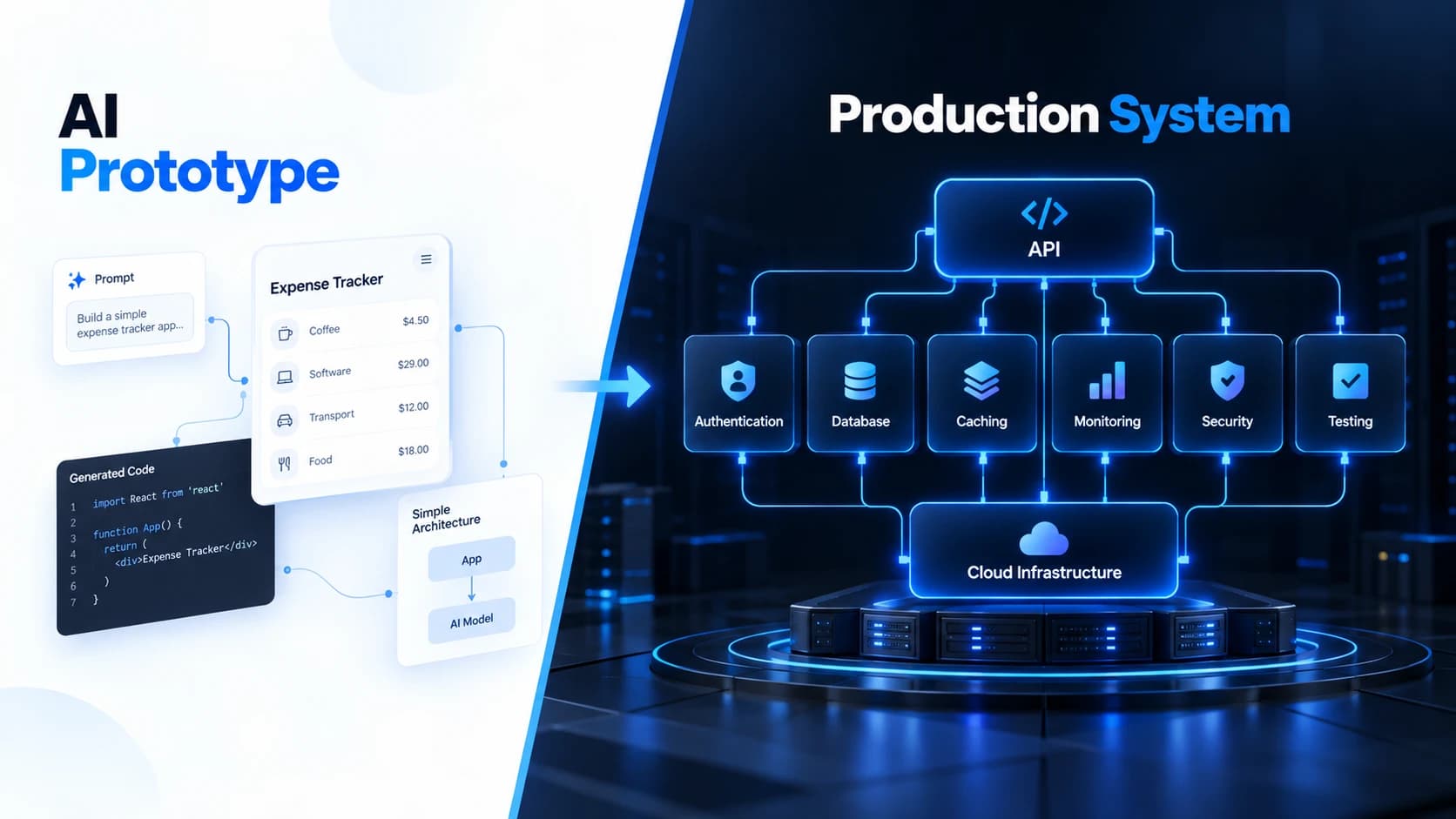
How to Turn an AI-Generated App Into Secure, Scalable, Production-Ready Software
AI can generate a working app fast. Learn what architecture, security, scalability, testing, and operations are needed before that prototype becomes production software.
Abdullah · · 18 min read
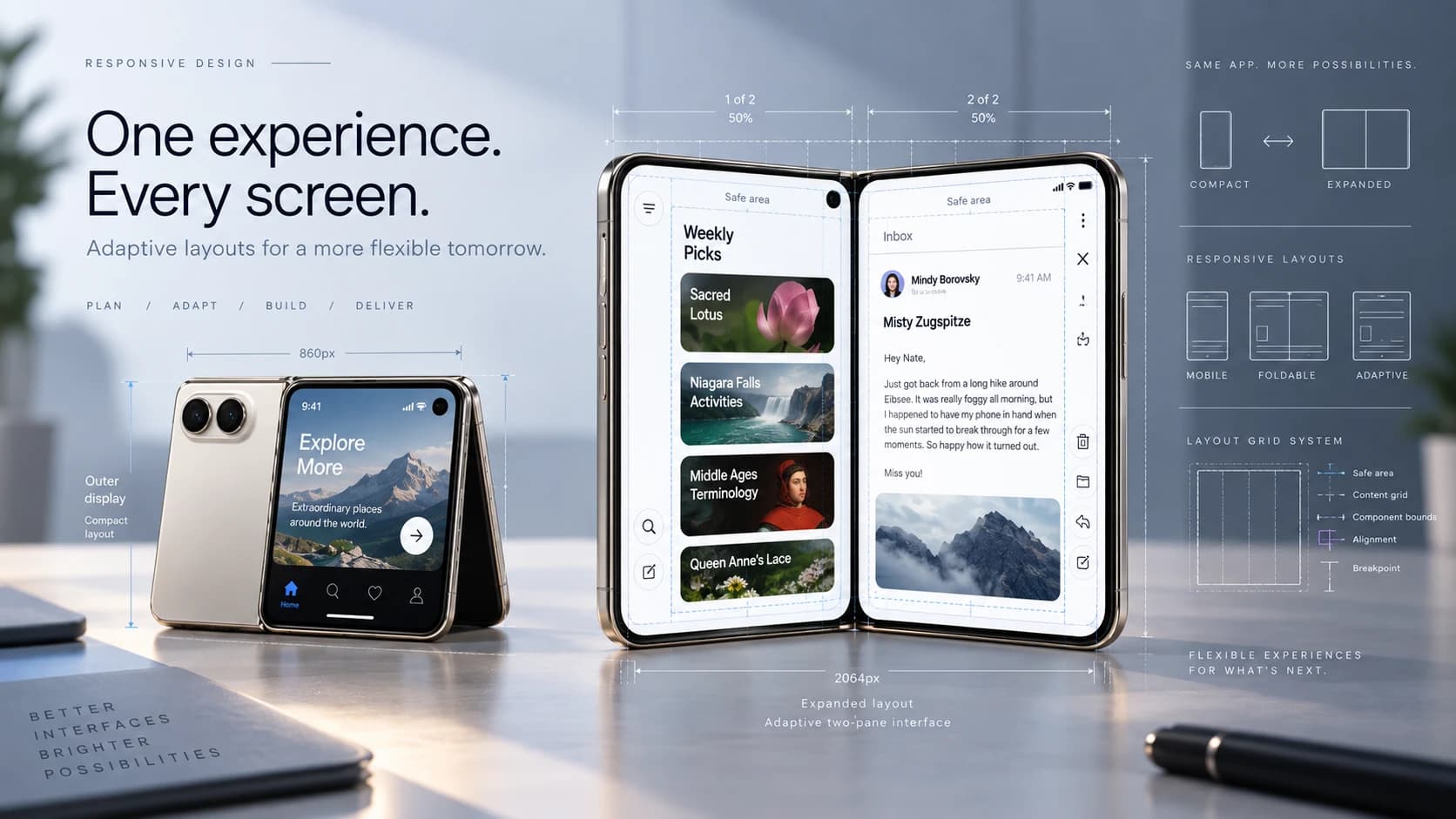
How iPhone Duo Resolution Changes Responsive Mobile App and Website Design
The iPhone Duo moves between compact and tablet-like displays, changing how apps and websites should handle layouts, safe areas, images, breakpoints, and performance.
Abdullah · · 12 min read