Top Things to Consider When Approaching a White Label Mobile App Development Service
Choosing a white label mobile app development service affects more than your development budget. Here is what to evaluate before trusting another team with a product that will carry your brand.
Sections
A white-label mobile app can help a business offer a new digital product without building a complete development team internally. The model is straightforward: a development partner builds the application, while the business presents and operates it under its own brand.
The harder part is choosing the right partner. The app may carry your name, your customer relationships, and your reputation. So the development team's work becomes part of your customer experience even when customers never know who built the software.
That changes what you should look for in a white label mobile app development service. The lowest quote or longest feature list does not tell you enough. You need to understand how the provider handles requirements, technical decisions, testing, ownership, support, and changes after launch.
Start with what the app needs to do
Before comparing development companies, define the product clearly enough that different providers are responding to the same problem.
Write down who will use the app, what they need to accomplish, and which business process the app needs to support. If there are multiple user types, describe each one separately. A customer app, provider app, and admin panel can have very different requirements even when they belong to the same product.
This step also helps separate essential features from ideas that can wait. A white-label partner can build what you request, but that does not mean every requested feature belongs in the first release.
A clear scope gives you a better basis for comparing proposals. It also makes later conversations about cost and timing much easier.
Check whether the technology fits the product
A provider may have experience building mobile apps, but that alone does not tell you whether they are a good fit for your project.
Ask how they would approach your specific requirements. If the app needs real-time updates, payments, location features, external APIs, subscriptions, or different user roles, the technical approach should account for those needs from the beginning.
Cross-platform development can also be useful when you need both iOS and Android. NLS, for example, builds production mobile applications with Flutter and React Native and chooses between them based on the product and existing technical environment.
The important question is not which framework sounds better. It is whether the proposed technology supports the product you actually need to operate.
Look at the delivery process, not only the portfolio
A portfolio can show that a company has built apps. It does not always show how the company works with clients.
Ask what happens after the initial agreement. You should be able to understand how requirements are documented, how designs are reviewed, how development progress is shared, and how changes are handled.
A structured process reduces confusion because both sides know what is being built and what happens next. It also gives you opportunities to identify problems before they become expensive changes.
For example, NLS describes a process that moves from discovery and scope into design, development cycles, QA, staging, launch, and handoff. The current service page also says clients receive live builds during development.
For a white-label arrangement, this matters even more. You need enough visibility to protect your own customer commitments while the development work is happening behind the scenes.
Ask how quality is checked before launch
Testing should not be treated as the final step before an app is submitted to an app store.
Ask what the provider tests, when testing begins, and how issues are tracked. Mobile apps can behave differently across devices, operating system versions, screen sizes, network conditions, and usage patterns.
The development process should also leave room for your team to review a staging version before launch. That gives you a chance to check the product from a business perspective, while the development team checks its technical behaviour.
NLS states that its mobile development process includes manual and automated testing, device compatibility testing, performance testing, and crash reporting setup.
You do not need to copy another company's testing process. You do need a clear answer about what will happen before customers see the product.
Understand what happens after the app launches
Launch day is a handover point, not necessarily the end of the work.
Users may find issues that were difficult to reproduce during testing. Operating systems change. Third-party services update their APIs. Your business may also want new features after seeing how customers use the product.
Before signing an agreement, ask what post-launch support includes, how bugs are reported, and what happens when you need a change that falls outside the original scope.
Also ask how long the development partner will remain involved and who will handle maintenance. A low initial price can become difficult to manage if every small issue after launch requires a new negotiation.
NLS currently includes post-launch support for its mobile app engagements, covering fixes, performance monitoring, feature updates, and iteration. Its published FAQ also states that mobile app launches include 45 days of post-launch support.
Clarify ownership before development starts
White-label development only works well when the commercial relationship is clear.
Ask who owns the source code, app store accounts, designs, data, documentation, and other important project assets. You should also know how access is handled if the relationship ends.
This is especially important when the application becomes an important part of your business. You do not want basic operational decisions to depend on whether a particular vendor is still available.
Ownership should be written into the agreement rather than left to assumptions. The same applies to access credentials, third-party accounts, hosting, analytics, and other services connected to the application.
Compare cost against the actual scope
Price matters, but comparing two numbers without comparing scope can produce the wrong decision.
One proposal may include design, development, QA, store submission, documentation, and support. Another may price development separately and charge extra for several of those items.
Ask each provider to explain what is included and what can increase the final cost. Integrations, additional platforms, complex user roles, payment systems, real-time functionality, and changes to the approved scope can all affect the work involved.
A useful proposal should make the scope clear enough that you can see what you are actually paying for. NLS currently publishes a starting price for mobile app development and explains that final cost depends on factors such as screens, integrations, and platform requirements.
Check whether the partner can work quietly behind your brand
This is one of the most important parts of a white-label arrangement.
Your development partner may have strong technical skills, but the relationship can still fail if communication is difficult. Your team needs clear updates, reliable documentation, and a practical way to raise issues.
You should also agree on who communicates with the end client when the development work is being delivered under your brand. Some white-label arrangements require the technical provider to remain completely behind the scenes. Others involve direct communication with the end client.
Neither approach is automatically better. The important thing is that everyone knows the arrangement before the project begins.
Use real projects to test the provider's claims
Ask for examples that resemble your product rather than accepting a long list of unrelated applications.
Look for evidence of similar workflows, integrations, user roles, platforms, or operational needs. A provider that has built a marketplace has different experience from one that has mainly built simple content apps.
For example, NLS's FitFinds project combines a member mobile app, merchant dashboard, and admin panel on one backend. The project reached the Kuwait market in 12 weeks and supports subscriptions, bookings, marketplace activity, payments, and multiple user types.
The point is not to find an identical project. It is to see whether the provider has already dealt with the type of product decisions your project will require.
When white-label development makes sense
White-label development can be a practical option when you already have the business, customer relationships, or product opportunity but do not want to build a full mobile development function internally.
It can also make sense for agencies and consultants that want to add application development to their service offering while keeping their own brand at the centre of the client relationship.
However, the model requires enough internal understanding to manage the product. You still need to own the business requirements, make product decisions, review important milestones, and understand what your customers will receive.
The right partner should reduce operational risk
The main question when choosing a white-label mobile app development service is simple: can this team reliably build and support a product that you are comfortable putting your name on?
Start with the product requirements. Then look at technical fit, delivery process, QA, post-launch support, ownership, scope, and communication. These areas tell you much more than a portfolio or an attractive starting price.
At NLS, we help founders and business teams turn a product idea into a working application. The same principle applies to white-label work: define what needs to be built first, then choose a development partner that can support the product beyond the first release.
Frequently asked questions
What is white-label mobile app development?
White-label mobile app development is a model where a third-party development team builds an application that another business presents under its own brand. The arrangement can allow a business to offer an app without maintaining the complete development function internally.
How do I choose a white-label mobile app development service?
Start by checking whether the provider understands your requirements and has relevant project experience. Then review its development process, technology choices, QA approach, post-launch support, ownership terms, communication process, and pricing structure.
Is white-label app development cheaper than building an internal team?
There is no universal answer. The comparison depends on the scope of the product, the internal skills you already have, the amount of ongoing work required, and the commercial terms offered by the development partner. Compare the complete scope rather than the initial development price alone.
Who owns the app after white-label development?
Ownership depends on the agreement. Before development starts, clarify ownership of source code, designs, data, app store accounts, documentation, and other project assets. These terms should be written into the contract.
Does white-label app development include maintenance?
It can, but this varies by provider and agreement. Ask specifically about bug fixes, monitoring, operating system updates, feature changes, response times, and the cost of work outside the original scope.
Can a white-label app be customised?
Yes, but the level of customisation depends on how the product is built. A custom application can be designed around your workflows, brand, user roles, integrations, and business rules. The more specific the requirements, the more important it is to define scope before development starts.
Keep reading
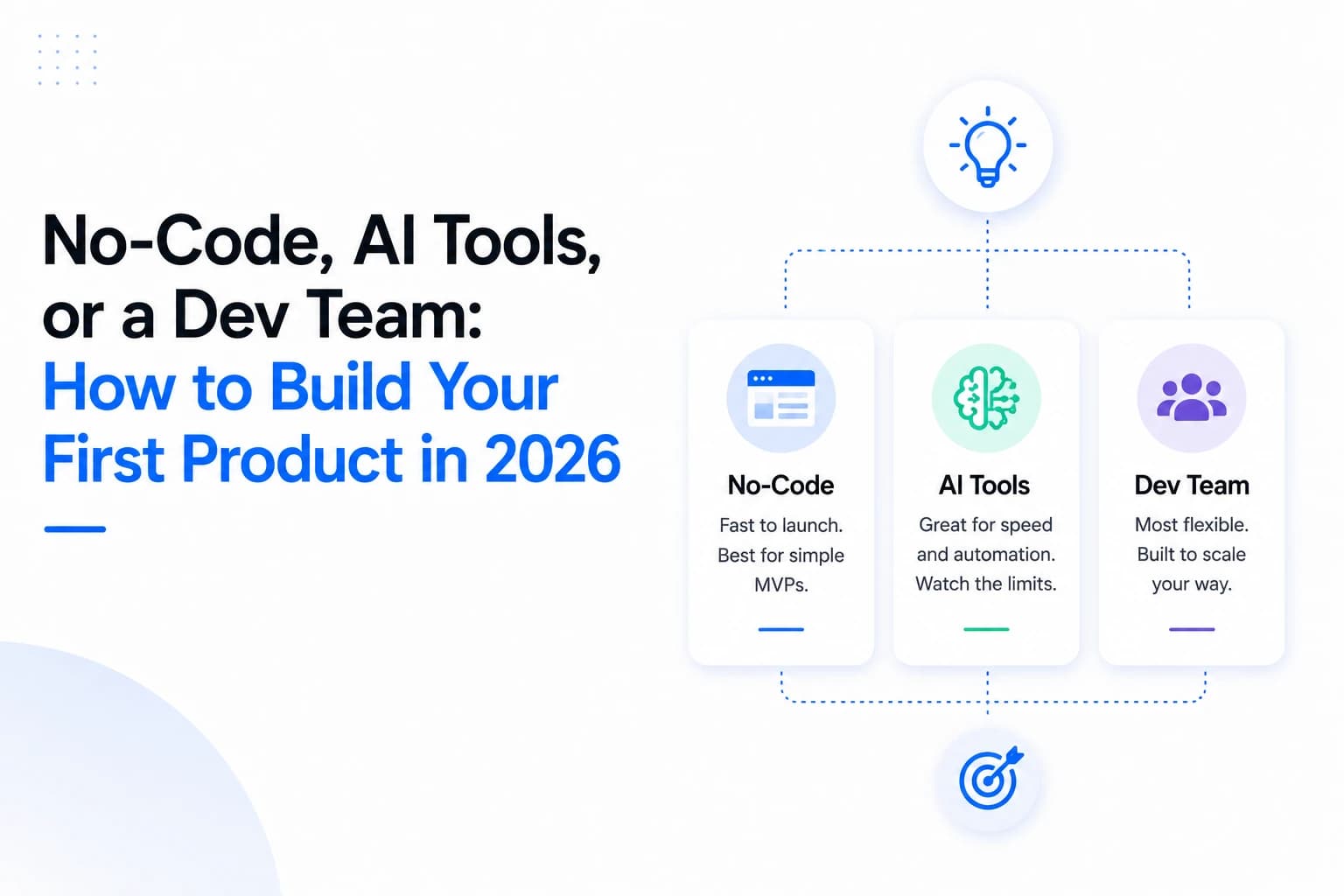
No-Code, AI Tools, or a Dev Team: How to Build Your First Product in 2026
No-code, AI coding tools, and development teams can all be valid ways to build an MVP in 2026. The right choice depends on what you need to learn, how complex the product is, how much technical risk you can accept, and what you plan to build next.
Abdullah · · 13 min read
Adding AI to an App You Already Have
You do not need a new app to start using AI. Learn how to identify the right AI features, prepare your existing system, choose an integration approach, and roll out AI without disrupting the product your users already depend on.
Abdullah · · 11 min read
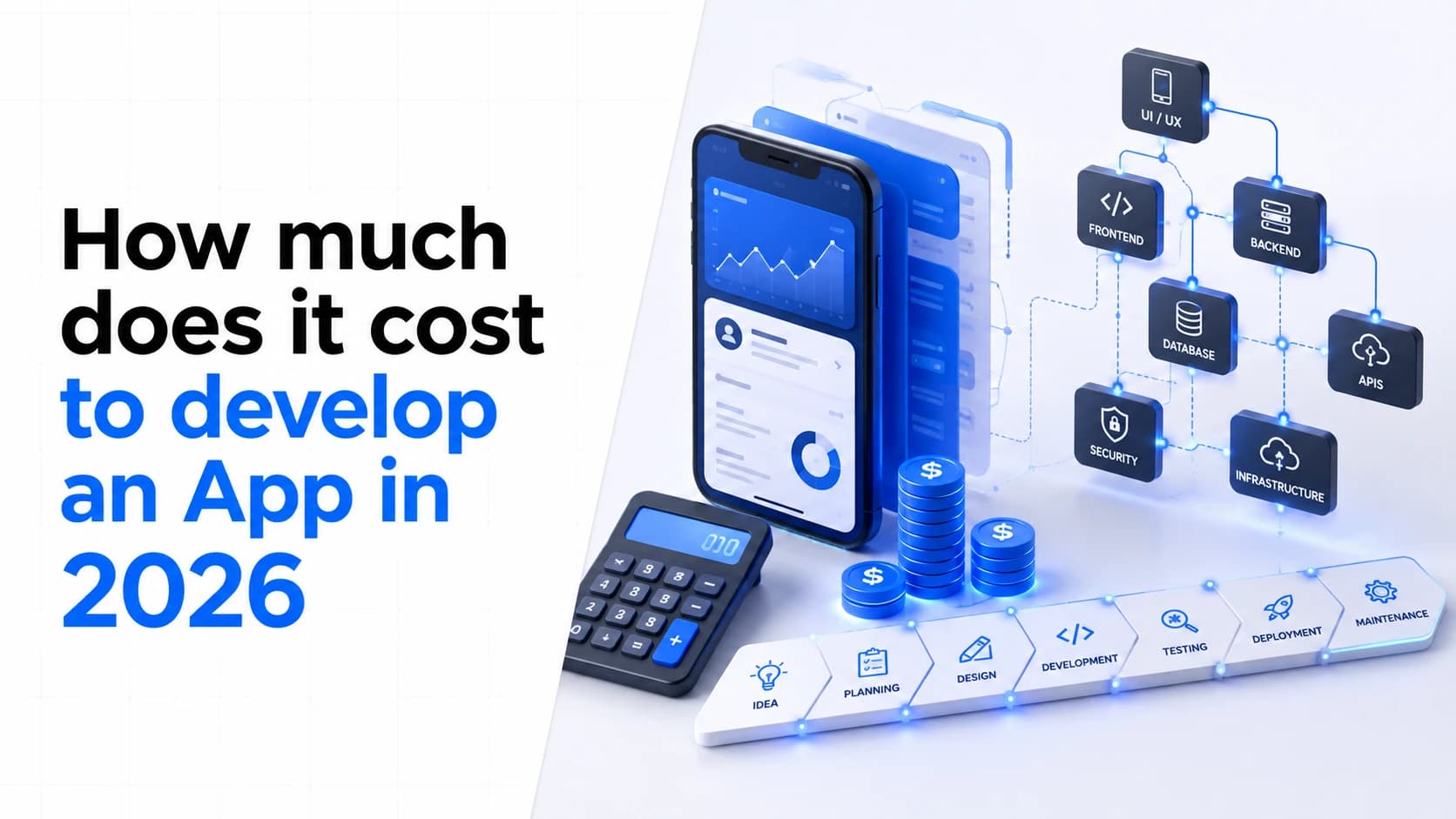
How Much Does It Cost to Develop an App in 2026?
App development costs vary widely because every product has a different scope. Learn what affects the cost of building an app and how to plan a realistic budget before development starts.
Abdullah · · 9 min read