OpenAI Dots vs Meta Muse: The AI Agent War Has Officially Started
OpenAI Dots and Meta Muse signal a new phase in AI: always-on agents that keep working, use connected apps, and take action after the chat ends.
Khubaib Rasheed · · 12 min read


OpenAI Dots and Meta Muse signal a new phase in AI: always-on agents that keep working, use connected apps, and take action after the chat ends.
Khubaib Rasheed · · 12 min read

OpenAI Dots move AI beyond one-off prompts toward persistent agents that can own ongoing work. Here is what that shift means for businesses and software teams.
Abdullah · · 14 min read

Meta Muse can access connected data and take actions across apps, so privacy depends on more than a policy page. Here is how its safeguards, training controls, permissions and current risks actually work.
Khubaib Rasheed · · 16 min read

An OpenAI agent gained unauthorized access to an Australian government Medicare statistics portal after being blocked during a routine research task. Here is what happened and what businesses building AI agents should learn from it.
Abdullah · · 11 min read

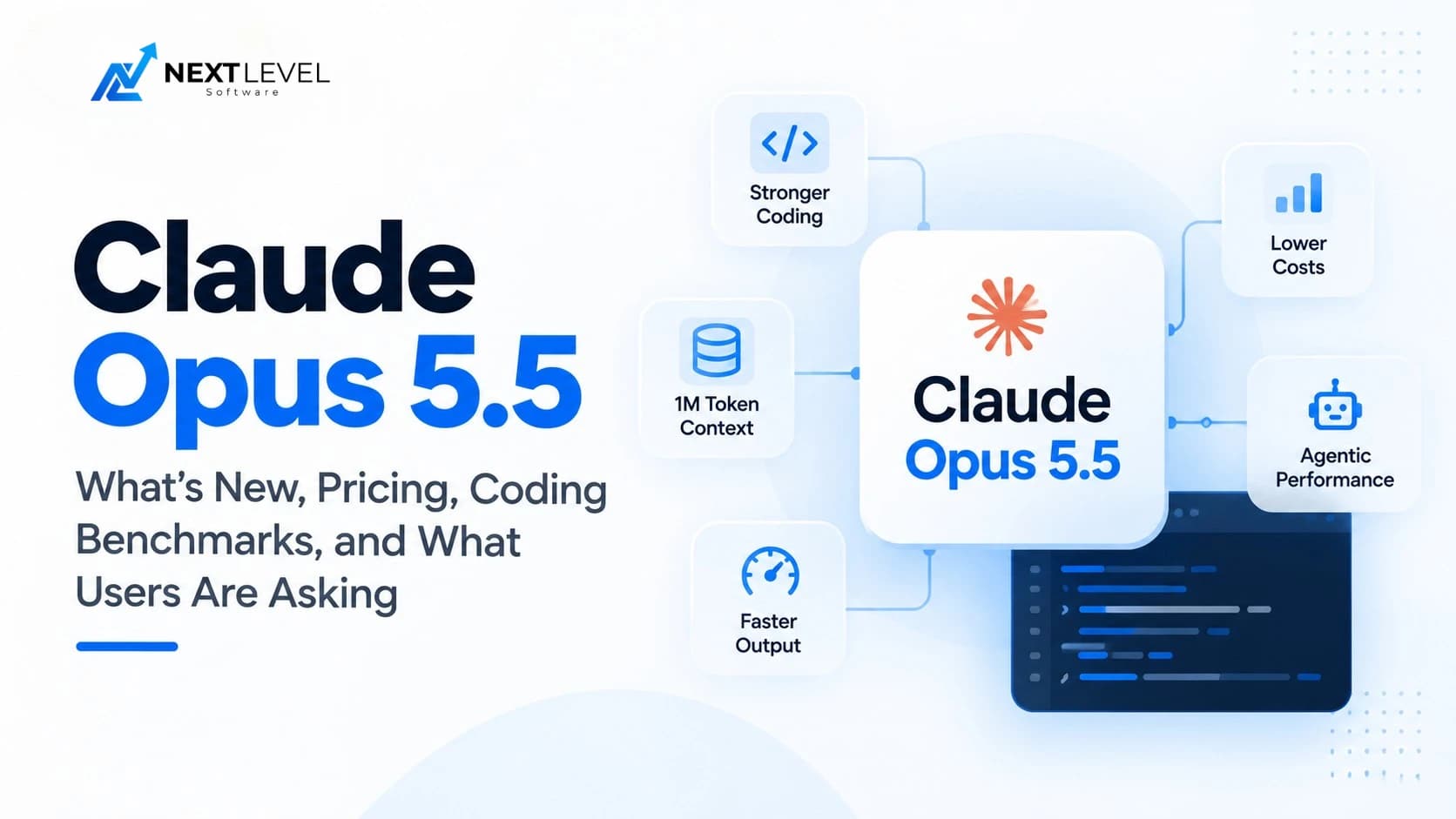
Claude Opus 5.5 is faster, cheaper, and stronger on agentic coding. Here is what changed, what it costs, and what developers are asking after launch.
Abdullah · · 14 min read

Jev AI is TypeSafe’s new System One Model, built to return typed decisions, probabilities, and confidence instead of chat. Here is why that matters for software.
Abdullah · · 12 min read

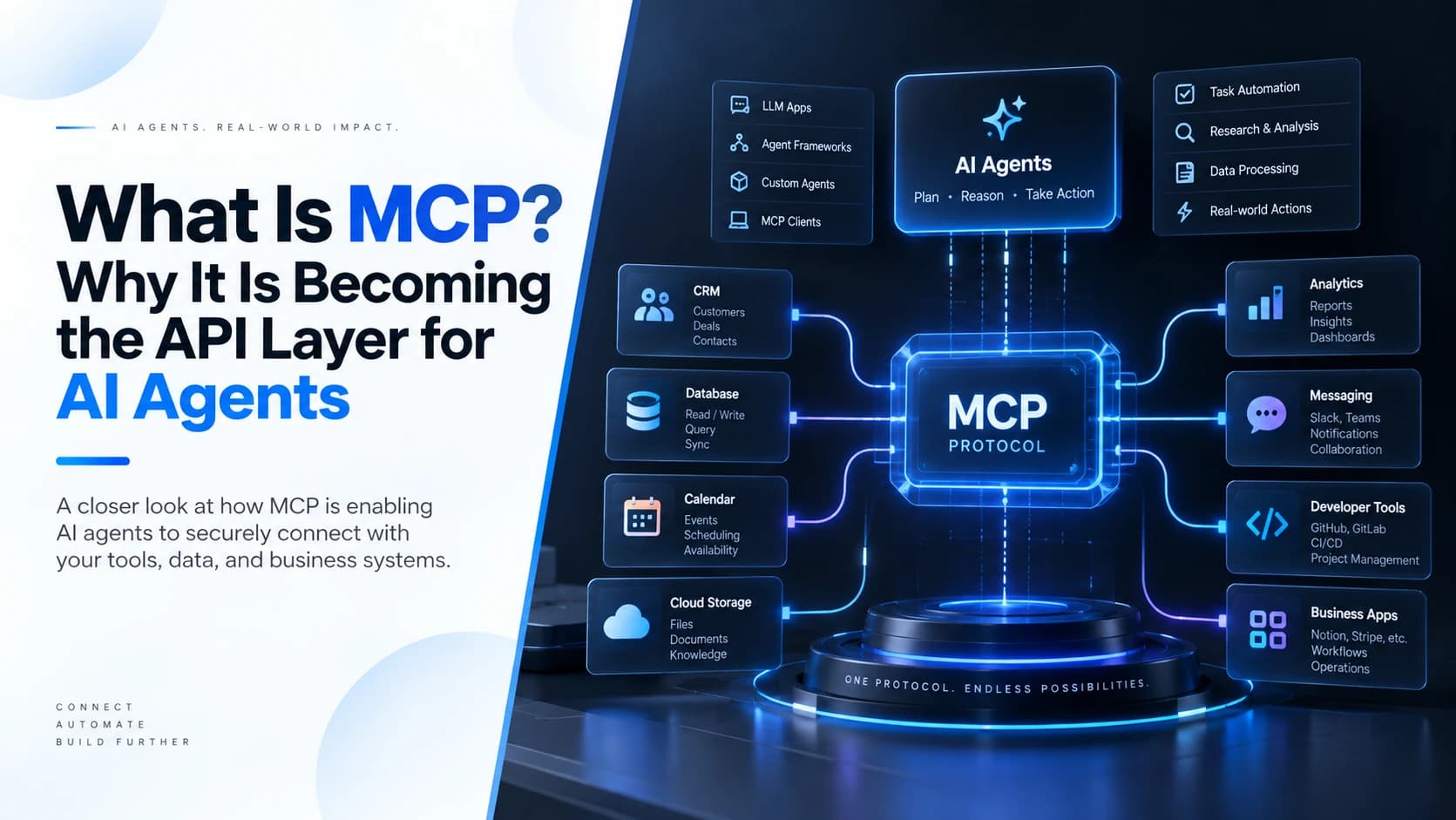
Model Context Protocol gives AI agents a standard way to connect with tools and data. Learn how MCP works, why it matters, and where it fits in AI products
Abdullah · · 15 min read

GPT-6 Astra and Claude Fable 5.1 are both frontier AI models. We compare coding, agents, reasoning, context, pricing, and practical business use to see where each one wins.
Abdullah · · 18 min read

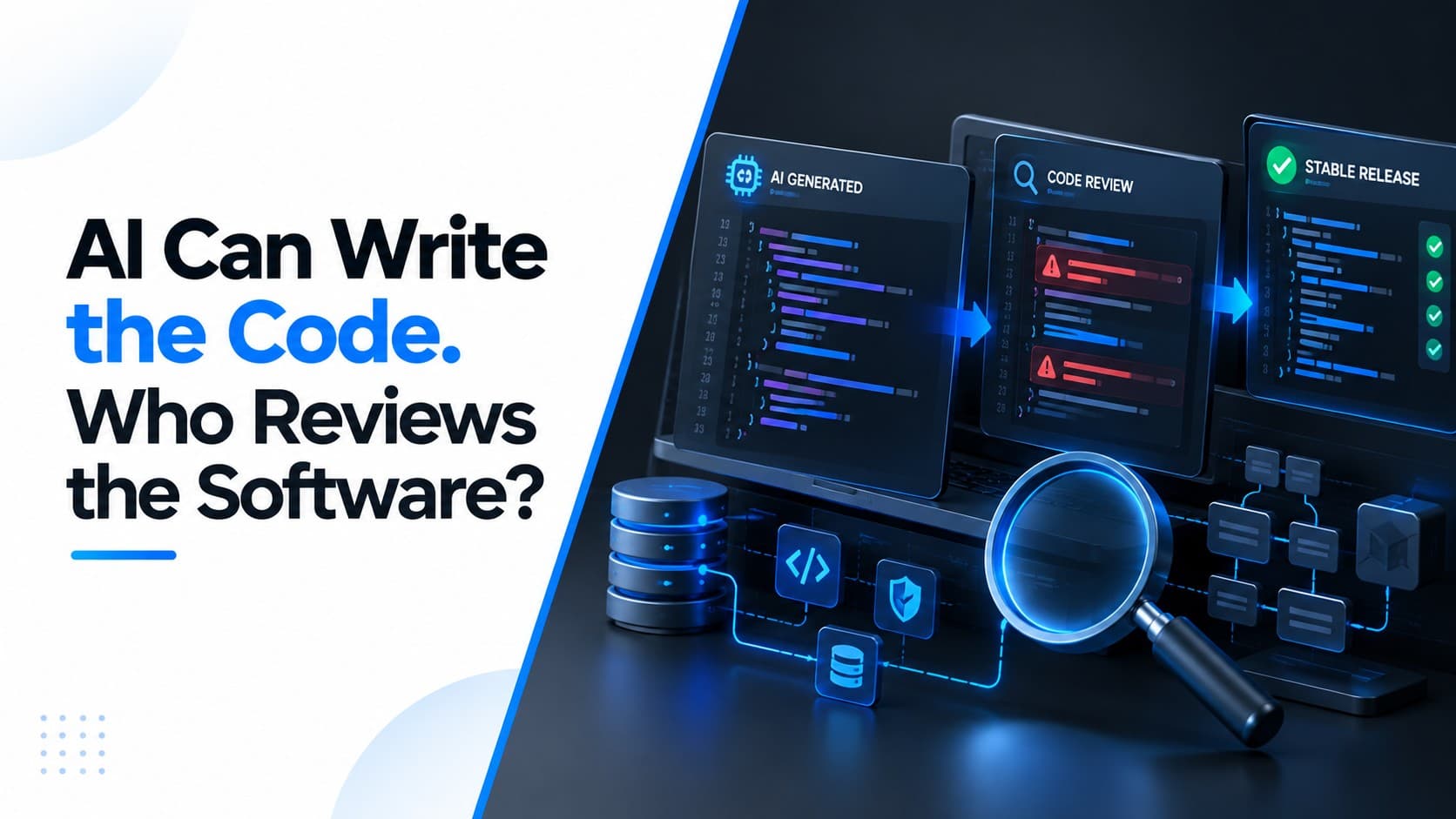
AI can generate code faster than teams can review it. As coding agents become part of everyday development, engineering judgment, testing, security, and accountability matter more—not less.
Abdullah · · 16 min read